
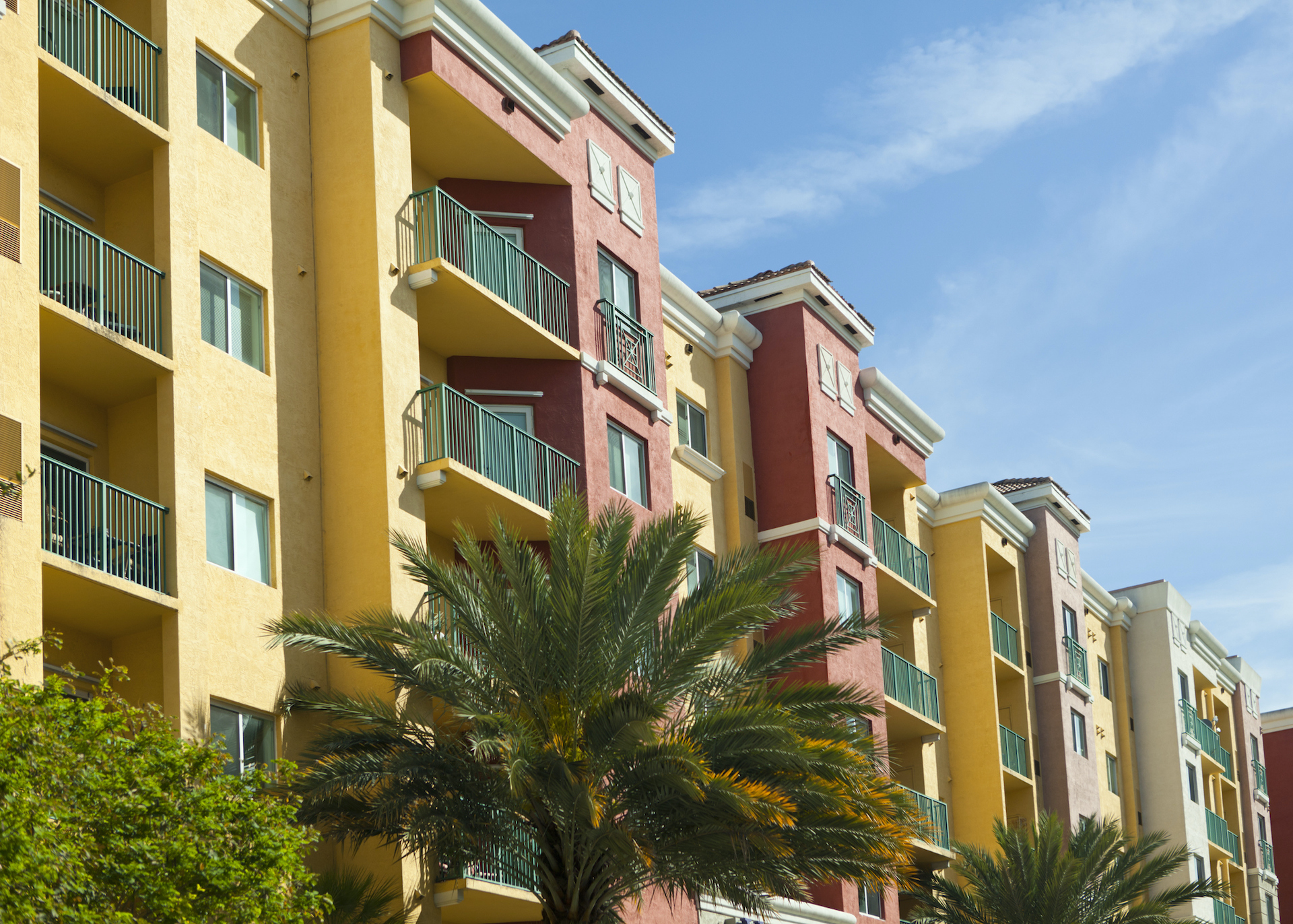
Renters comparing Central and Northeast Florida should weigh rent, commute, space, amenities, and how each region fits their weekly routine.
Florida continues to attract renters from across the country, and many end up comparing Central Florida with Northeast Florida. Both regions offer strong long-term rental options, but they fit different budgets, commute patterns, housing needs, and routines.
This guide compares the two regions through the factors renters usually feel most after move-in: monthly cost, commute, rental type, competition, and convenience. For renters relocating in 2026, the better choice usually comes down to which region supports your day-to-day life.
Table of Contents
- What Are Renters Really Choosing Between?
- Cost of Renting: What Your Budget Gets You
- Rental Competition and Availability
- Lifestyle Differences That Matter in Everyday Routines
- Commute and Transportation Reality
- Property Types Renters Will Find
- Who Each Region Tends to Suit Best
- Common Mistakes Renters Make When Comparing the Two
- How to Narrow the Decision
- How Kellar Realty Helps Renters Compare Their Options
- Frequently Asked Questions About Florida Rentals
- Choose the Region That Fits Your Routine
What Are Renters Really Choosing Between?
Choosing between Central Florida and Northeast Florida is mostly about how a rental fits work, budget, space needs, and weekly routines.
Central Florida usually offers more density, more apartment inventory, and faster access to entertainment, universities, hospitals, airports, and tourism-related jobs. Orlando, Kissimmee, Sanford, Tampa, and nearby communities can make sense for renters who want shorter access to major employment areas and a busier rental market.
Northeast Florida tends to offer more spread-out communities, more single-family rental options, and easier access to Jacksonville, the beaches, rivers, and surrounding suburbs. The Northeast Florida real estate market varies by location, though. A beach-area rental will feel and price differently than a home in Middleburg, Orange Park, or Green Cove Springs.
A few questions can narrow the search quickly:
- How much commute time is realistic?
- Is a newer apartment more important than a yard?
- Does the rental need to work for one year or several years?
- Are parking, storage, and pet policies dealbreakers?
- Is it more important to be near restaurants and events or to have more space at home?
Cost of Renting: What Your Budget Gets You
Rent is usually the first filter, but the same budget buys different things in each region. Central Florida may mean a newer apartment near job centers, while Northeast Florida may mean more space, parking, or a single-family rental.
Florida’s rental market has cooled from the rapid growth seen earlier in the decade, but rents remain higher than they were before the pandemic. Realtor.com reported that Orlando stayed renter-friendly in 2025, with a 9.0% rental vacancy rate and local rents down 2.0% year over year. Jacksonville rent trends also vary widely by neighborhood, which is why location and unit size matter as much as the regional average price.
Central Florida
Average apartment rents vary across the region:
- Orlando: about $1,587/month for 744 square feet
- Lakeland: about $1,349/month for 724 square feet
- Palm Bay: about $1,482/month for 681 square feet
These numbers reflect how much the Central Florida real estate market can shift from one city to another. Orlando renters may pay more for access to job centers, hospitals, universities, airports, and entertainment. Lakeland or Palm Bay may work better for renters who want a different commute pattern or a lower monthly starting point.
Northeast Florida
Average rents also shift by location:
- Jacksonville: about $1,299/month for 744 square feet
- Palm Coast: about $1,441/month for 805 square feet
- Saint Augustine: about $1,550/month for 717 square feet
- Jacksonville Beach: about $1,753/month for 749 square feet
These numbers show how location affects Northeast Florida rentals. Inland areas and larger metro neighborhoods may offer more space for the price, while beachside and historic areas often cost more.
What this means for renters
The cheapest option on paper may not always be the best value. Compare square footage, commute time, parking, pet costs, utilities, lawn care, and move-in fees before deciding which rental fits best.
Rental Competition and Availability
Availability can feel very different between the two regions, especially during peak moving periods.
Central Florida
Central Florida listings can move quickly in the right price range and location. If you’re looking near major employers, universities, medical centers, and entertainment corridors, you may need to make decisions faster. New apartment construction has added options in some areas, but well-priced rentals still attract attention.
The market is also seasonal. Families often try to move before the school year, and workers relocating for new jobs may create demand around spring and summer. In areas tied to tourism and hospitality, employment patterns can influence rental activity as well.
Northeast Florida
Northeast Florida can still be competitive, but you may have slightly more time to compare options in some submarkets. The region is spread out, which means you can widen your search from Jacksonville to Orange Park, Middleburg, Green Cove Springs, St. Augustine, or other surrounding communities.
The trade-off is that inventory can be uneven. If you’re looking for a specific type of single-family home with a garage, fenced yard, and pet-friendly terms, you may still face limited choices. You’ll find more flexibility if you’re open to apartments or townhomes.
What this means for renters
Central Florida often requires faster decision-making, especially in popular areas. Northeast Florida may give renters more room to compare, but the best-fit rentals can still move quickly. In both regions, complete applications, proof of income, pet information, and clear move-in timing can make the process smoother.
Lifestyle Differences That Matter in Everyday Routines

Everyday routines can feel different across Central and Northeast Florida, from errands and commute routes to parks, events, and access to nearby city centers.
The biggest difference between Central and Northeast Florida may be how each region feels once the lease is signed.
Central Florida
Central Florida is busier in many areas. Orlando and nearby communities offer access to theme parks, major events, sports, restaurants, shopping, hospitals, universities, and airports. Renters who like being close to activity may find that Central Florida fits well.
Traffic can be part of the trade-off. Tourism patterns, event traffic, commuter congestion, and road construction can affect how long it takes to get around. A rental that looks close on a map may feel farther during peak drive times.
Central Florida can work well for renters who want:
- Shorter access to theme parks and major entertainment
- More apartment and townhome options
- Proximity to tourism, hospitality, healthcare, education, and service jobs
- A more urban or dense suburban rental setting
- Frequent dining, shopping, and event options nearby
Northeast Florida
Northeast Florida tends to feel more spread out. Jacksonville is a major city, but the region includes beaches, riverside neighborhoods, inland suburbs, rural edges, and smaller communities. Renters can choose between city apartments, suburban townhomes, single-family homes, and rentals closer to outdoor recreation.
Jacksonville is large by land area, and bridges, rivers, and highway routes can shape commute times. A rental across the river from work may not be as convenient as it looks at first glance.
Northeast Florida can work well for renters who want:
- More single-family rental options
- More suburban or neighborhood-based living
- Access to beaches, rivers, parks, and outdoor recreation
- Larger homes or yards in some areas
- A rental setting with less tourism pressure than Central Florida
What this means for renters
A short visit may not reveal how a region feels during a weekday commute, grocery run, school pickup, or stormy afternoon drive. Renters comparing Central and Northeast Florida should look at the places they will actually go each week, not just the attractions nearby.
Commute and Transportation Reality
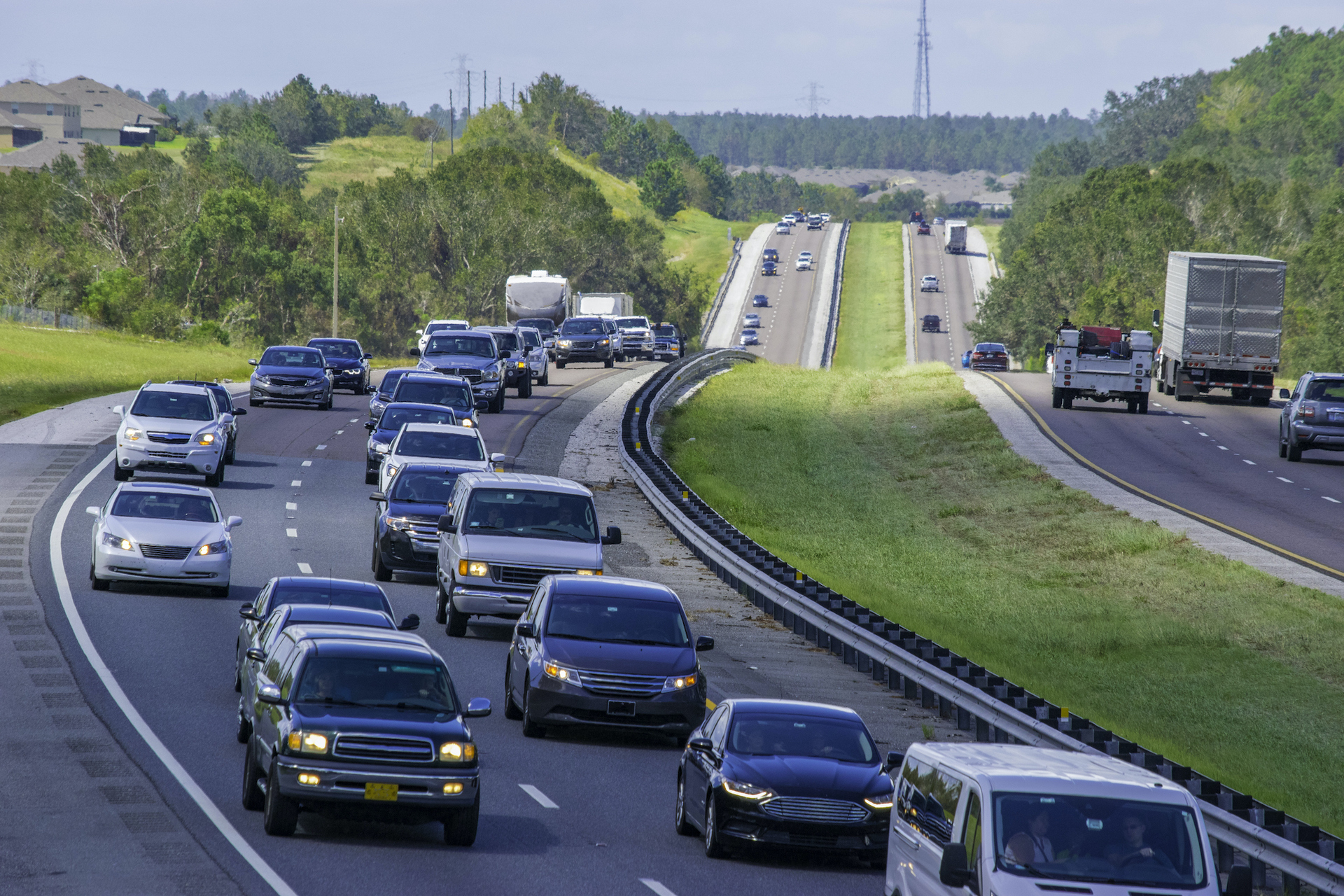
Commute times can vary widely between Central Florida’s tourism corridors and Northeast Florida’s bridges, highways, and spread-out neighborhoods.
Commute planning matters in both regions, but for different reasons.
In Central Florida, traffic is often shaped by tourism corridors, interstate congestion, event traffic, toll roads, and fast-growing suburbs. Renters working in hospitality, healthcare, logistics, education, or office roles may find that a few miles can make a big difference. Living near the wrong side of a major commute route can turn a reasonable rental into a frustrating routine.
In Northeast Florida, distance and geography are major factors. Jacksonville covers a large area, and crossing bridges or moving between counties can add time. Renters working in Jacksonville but living in Orange Park, Middleburg, Green Cove Springs, or St. Augustine should test the commute at the actual time they expect to travel.
Proximity often matters more than rent savings. A rental that saves $150 a month may not feel like a deal if it adds 45 minutes each way, extra gas, tolls, or stress to the week.
For remote and hybrid workers, commute may matter less than internet quality, home office space, parking, and nearby services. For service workers, healthcare workers, military households, and families with school schedules, commute planning can be one of the most important parts of the rental search.
Property Types Renters Will Find
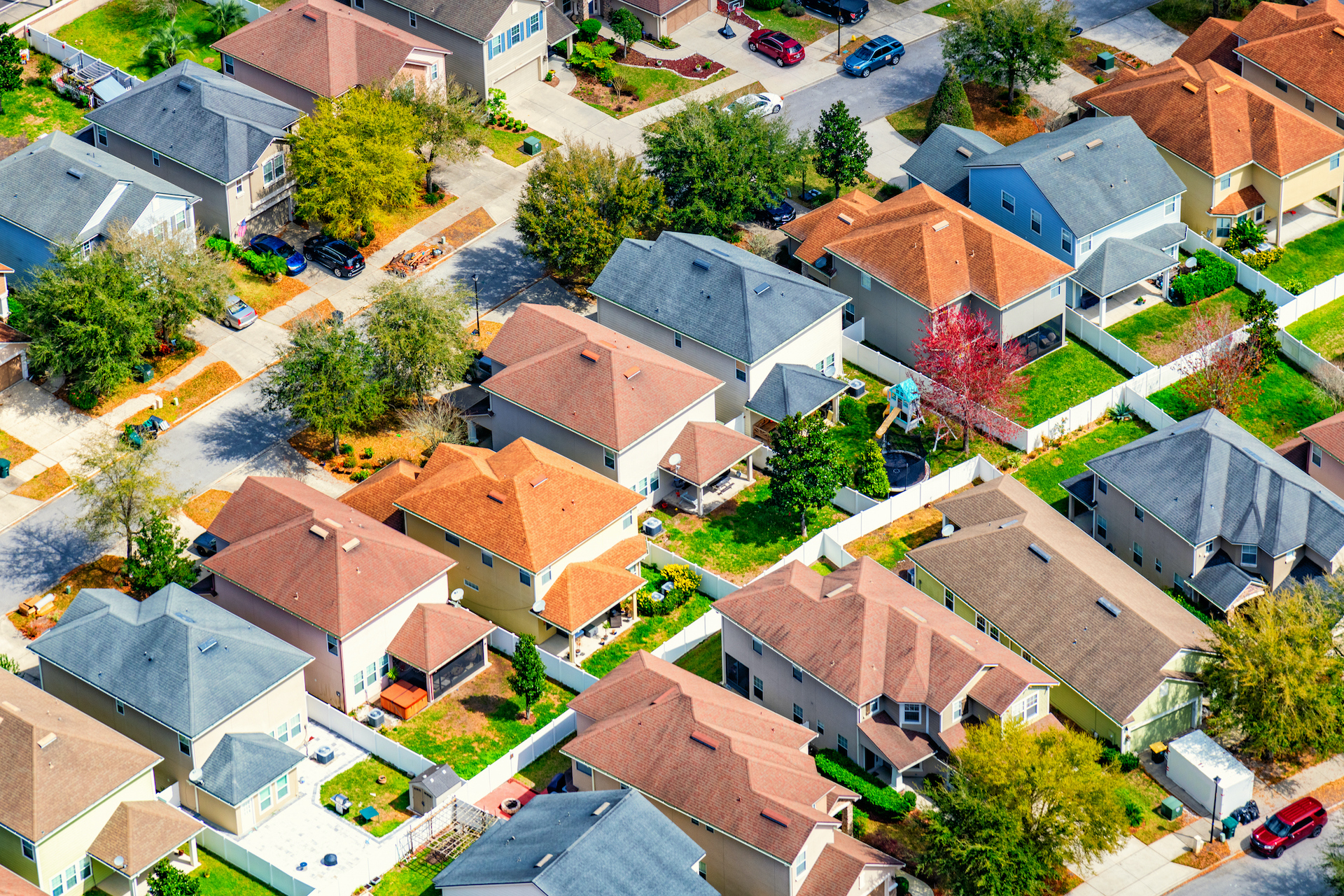
Northeast Florida rentals often include single-family homes and neighborhood-based options with more space, parking, and outdoor areas than denser apartment markets.
Housing type is another major difference between Central and Northeast Florida.
Central Florida rental types
Central Florida has a large supply of apartments, townhomes, condos, and planned rental communities. New construction is common in some submarkets, especially around expanding suburbs and employment corridors. Renters may find:
- Large apartment communities
- Townhomes with shared amenities
- Condos near job centers or entertainment areas
- Newer rental homes in planned communities
- Apartments with pools, gyms, co-working spaces, and package services
These rentals can work well for renters who want convenience, amenities, and shorter access to work or entertainment. However, renters may get less private outdoor space, more density, or higher fees.
Northeast Florida rental types
Northeast Florida often offers more single-family homes, duplexes, and neighborhood-based rentals, especially outside the most central parts of Jacksonville. Renters may find:
- Single-family homes with garages or yards
- Duplexes and small multifamily rentals
- Townhomes in suburban communities
- Apartments in Jacksonville and surrounding areas
- Older homes with more space but more maintenance considerations
These rentals can work well for families, pet owners, renters who need storage, and people who want more space. The trade-off may be a longer commute or fewer apartment-style amenities.
Who Each Region Tends to Suit Best
Central Florida often fits renters who want more apartment options, shorter access to major job centers, and a busier rental setting. It can also make sense for renters who prefer newer communities with on-site amenities and do not mind denser surroundings.
Northeast Florida often fits renters who want a house, yard, parking, or a neighborhood-based rental near Jacksonville or the coast. It can also work well for families, military households, pet owners, and renters who want a long-term lease in a residential setting.
These categories are not fixed. A young professional can be happy in Jacksonville, and a family can be happy in Orlando. The more useful way to compare the regions is by ranking the renter’s top priorities.
A renter who values restaurants, events, airport access, and a newer apartment may lean Central Florida. A renter who values yard space, storage, parking, and a less tourism-driven setting may lean Northeast Florida.
Common Mistakes Renters Make When Comparing the Two
- Focusing only on rent price. Monthly rent is important, but commute time, tolls, parking, utilities, fees, pet costs, and lawn responsibilities can change the real cost.
- Choosing based on a weekend visit. A neighborhood may feel easy on a Saturday morning but very different during a weekday commute. Check drive times, grocery access, work routes, and school logistics before applying.
- Underestimating the regional differences. Central Florida’s busier setting may work well for one renter and feel tiring to another. Northeast Florida’s spread-out layout may feel comfortable to one renter and inconvenient to another.
- Moving too slowly in competitive areas. Waiting too long can mean losing a good rental, especially near job centers, schools, and popular neighborhoods.
How to Narrow the Decision
A practical rental search starts by setting priorities before opening listing sites.
- Pick only three priority factors. Choose the three rental priorities that will affect your decision most, such as budget, commute, space, school access, pet needs, outdoor space, apartment amenities, proximity to family, beach or park access, or lease length.
- Separate needs from preferences. A pet-friendly rental, extra bedroom, or specific commute limit may be non-negotiable. A pool, newer appliances, or being 10 minutes closer to restaurants may be flexible.
- Compare neighborhoods, not just regions. “Central Florida” and “Northeast Florida” are too broad on their own. Orlando, Kissimmee, Sanford, Jacksonville, Orange Park, Middleburg, Green Cove Springs, and St. Augustine each have different rental patterns.
- Compare properties side by side. For renters weighing Central Florida rentals against Northeast Florida rentals, the clearest comparison is property-to-property: rent, total fees, commute, condition, pet policy, parking, lease terms, and what the area offers during a normal week.
How Kellar Realty Helps Renters Compare Their Options

Kellar Realty helps renters compare long-term rental options, application steps, lease terms, and local market conditions before applying.
Kellar Realty & Property Management is based in Northeast Florida and also works with Central Florida rental needs. The team helps renters find long-term homes through a portfolio of managed rental properties and a leasing process that keeps the next steps clear.
Renters can start by browsing available homes on the Kellar Realty properties for rent page. From there, the team can help with property viewings, application steps, screening requirements, and lease execution.
That support matters when renters are comparing Central and Northeast Florida. A good rental choice depends on more than the photos online. Commute, neighborhood fit, lease terms, maintenance process, total monthly cost, and move-in timing all matter.
Kellar Realty & Property Management also works with buyers, sellers, investors, and long-term rental owners, so the team sees both sides of the rental process: what renters look for before applying and what matters after move-in. For renters, that makes the process easier to understand. For owners and investors, it supports a more consistent long-term rental experience.
Frequently Asked Questions About Florida Rentals
Is Central Florida or Northeast Florida better for renting in 2026?
Central Florida may fit renters who want more apartment options, entertainment access, and proximity to Orlando-area job centers. Northeast Florida may fit renters who want more space, single-family rentals, suburban communities, or access to Jacksonville and the coast.
Are Northeast Florida rentals more affordable than Central Florida rentals?
Northeast Florida rentals can offer more space for the price in some inland and suburban areas. Pricing still depends on location, property type, condition, lease terms, and proximity to beaches, job centers, or major commute routes.
What are the main differences between Central Florida rentals and Northeast Florida rentals?
Central Florida rentals often include more apartments, townhomes, and amenity-focused communities near dense job and entertainment areas. Northeast Florida rentals often include more single-family homes, duplexes, townhomes, and neighborhood-based options.
What should renters compare before choosing between Central and Northeast Florida?
Renters should compare monthly rent, total move-in costs, commute time, parking, pet policy, utilities, property condition, lease terms, nearby services, and how the neighborhood feels during a normal weekday.
Choose the Region That Fits Your Routine
Central and Northeast Florida both offer strong rental options, but they serve different priorities. Central Florida may be a better fit for renters who want density, convenience, entertainment, and newer apartment communities. Northeast Florida may be a better fit for renters who want more space, a residential setting, and access to Jacksonville, beaches, rivers, and surrounding suburbs.
For renters, the best decision starts with the basics: budget, commute, space, pet needs, lease terms, and what a normal week will look like after move-in.
At Kellar Realty & Property Management, we help renters understand how local rental choices fit real market conditions.
Call 904-269-7253 or send an email to discuss available long-term rentals in Florida.