
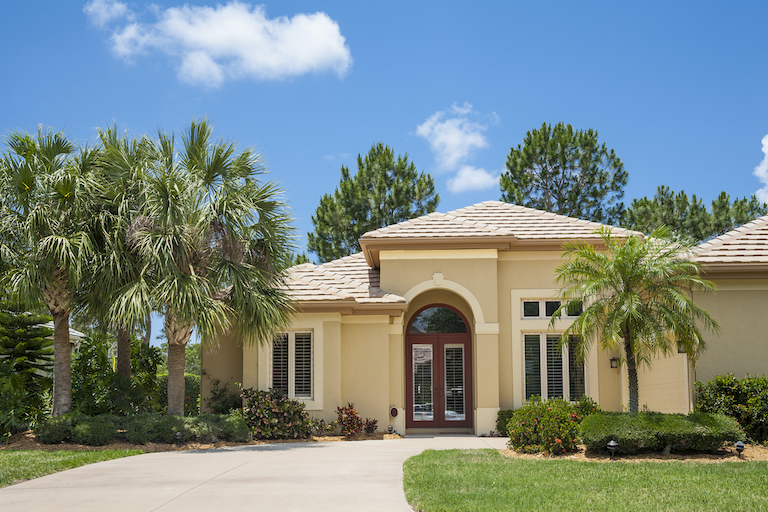
A Northeast Florida home with established landscaping, reflecting the variety of properties buyers may compare when choosing between new construction and resale.
Buyers across Northeast Florida are comparing two very different paths: brand-new homes in growing communities and resale properties in established neighborhoods. New construction continues to expand in places such as Nocatee, eTown, and Wildlight, while areas like St. Augustine, Riverside, and Ortega offer a broad mix of existing homes.
Cost is only one part of the new construction vs. resale comparison. In the Northeast Florida real estate market, the better fit also depends on location, timing, maintenance needs, and long-term plans. A new home may offer modern systems and builder incentives. A resale property may offer a more established location, mature landscaping, or a more predictable closing timeline.
Kellar Realty & Property Management helps Northeast Florida buyers compare the complete purchase, not just the listing or builder price. That means looking at financing, community fees, property condition, and other costs that can affect overall value.
Table of Contents
- What Is the Difference Between a New Construction and Resale Home?
- How Do New Construction and Resale Home Costs Compare?
- How Do Timelines and Availability Compare?
- How Much Does Location and Neighborhood Character Matter?
- How Much Does Customization Matter to You?
- How Do Build Quality and Inspections Compare?
- How Does the Buying Process Differ?
- How Does Financing Differ?
- Who may Be a Better Fit for New Construction vs. Resale?
- How Kellar Realty can Help Buyers Compare Both Options
- Frequently Asked Questions about Northeast Florida Real Estate
- Compare the Full Picture Before Deciding
WHAT IS THE DIFFERENCE BETWEEN A NEW CONSTRUCTION AND RESALE HOME?
A new construction home has never been occupied. It may be to-be-built, already under construction, or completed as a spec or quick move-in home.
A resale home has had at least one previous owner or occupant. These properties range from recently built homes to much older houses in established neighborhoods, so condition and maintenance needs can vary considerably.
| NEW CONSTRUCTION | RESALE |
|---|---|
| Never previously occupied | Previously owned or occupied |
| May allow design selections | Existing finishes and layout are already in place |
| Newer systems and materials | Systems may vary widely in age |
| Often located in newer developments | Common throughout established neighborhoods |
| Builder warranty may apply | Warranty coverage varies |
| Completion date may change | Closing timeline is usually more defined |
HOW DO NEW CONSTRUCTION AND RESALE HOME COSTS COMPARE?
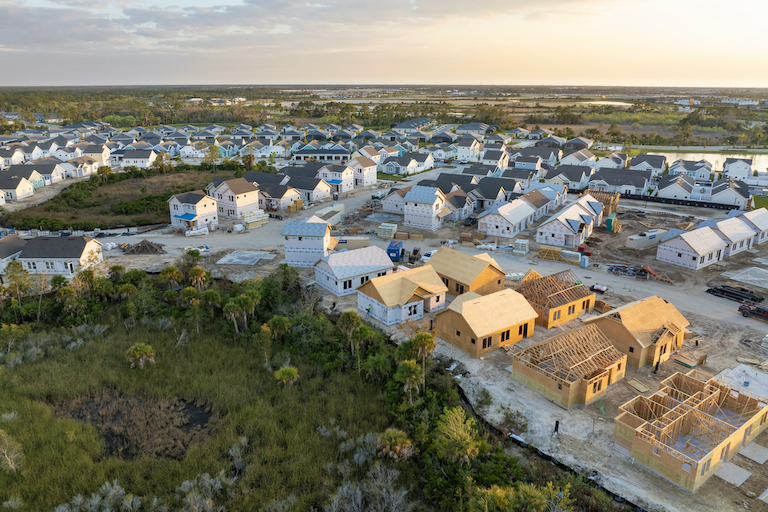
New construction communities can involve costs beyond the base price, including lot premiums, upgrades, community fees, and other builder-related expenses.
The list price alone does not provide a complete cost comparison. New construction can accumulate expenses through upgrades, lot choices, and community fees, while resale homes may require repairs or system replacements after closing.
New construction costs to factor in
Builders typically advertise a starting or base price for a particular floor plan. The final contract amount can be higher once the buyer adds the lot, structural options, finishes, or other selections.
Depending on the home and builder, additional expenses may include:
- Lot premiums
- Additional bedrooms or bathrooms
- Extended patios or lanais
- Flooring and cabinetry upgrades
- Countertop or appliance packages
- Lighting and electrical options
- Window treatments
- Fencing
- Landscaping
- Homeowners association dues
- Community Development District assessments
Florida uses special districts to finance and maintain certain infrastructure and services. These districts may generate revenue through methods that include non-ad valorem assessments, which can appear on the property tax bill. Buyers looking in a community with a Community Development District, or CDD, should include those assessments when comparing annual housing costs.
Builders may also advertise closing-cost assistance, mortgage-rate buydowns, upgrade credits, or discounts on completed inventory.
These incentives can be meaningful, but the dollar amount of an incentive does not tell the entire story. Buyers can compare the resulting mortgage payment, loan terms, closing expenses, home price, and any conditions attached to the offer before determining its financial effect.
Resale home costs to factor in
With a resale home, much of the property’s condition already exists in plain sight, but that does not mean every future expense is obvious.
A home inspection may identify repairs involving:
- Roofing
- HVAC equipment
- Electrical systems
- Plumbing
- Water heaters
- Windows and doors
- Moisture intrusion
- Appliances
- Exterior components
There may also be cosmetic work. Flooring, paint, cabinetry, bathrooms, or landscaping can add considerably to the buyer’s post-closing budget even when the property is structurally sound.
Florida insurance costs make the condition of a resale property particularly important. Roof age and condition, wind-mitigation features, and other building characteristics can affect the insurance picture. Flood risk should also be reviewed property by property. FEMA notes that flood zones and insurance requirements can affect the cost of purchasing and owning a home, particularly when a property lies within a Special Flood Hazard Area.
Compare what each property will cost to buy, finance, insure, maintain, and update. Two homes with similar asking prices may produce very different ownership costs.
HOW DO TIMELINES AND AVAILABILITY COMPARE?
Resale purchases generally have a more defined path to closing because the home already exists. A new construction timeline depends on whether the property is completed, under construction, or still waiting for work to begin.
New construction timelines can vary
A quick move-in home may close on a timeline similar to a resale transaction once financing and other requirements are complete.
A to-be-built home is different. Construction can take months, and completion dates can change as work progresses. Material availability, permitting, inspections, weather, labor, and requested changes may affect the schedule.
A longer timeline is not necessarily a drawback, but it does require buyers to plan around their move-in date, lease, or relocation schedule.
Resale homes usually offer a more defined closing timeline
Because a resale property is already completed, the major milestones tend to center on financing, appraisal, inspection, title work, repairs, and the agreed closing date.
This can make resale particularly relevant to buyers working around a firm move.
Who should pay closest attention to timing?
Timeline differences matter most to:
- Military households moving under PCS orders
- Buyers relocating for work
- Families coordinating the sale of another home
- Renters approaching the end of a lease
- Buyers who need to enroll children or arrange other services by a certain date
A home that is appealing on paper may not work if its projected completion falls well after the buyer needs housing.
HOW MUCH DOES LOCATION AND NEIGHBORHOOD CHARACTER MATTER?
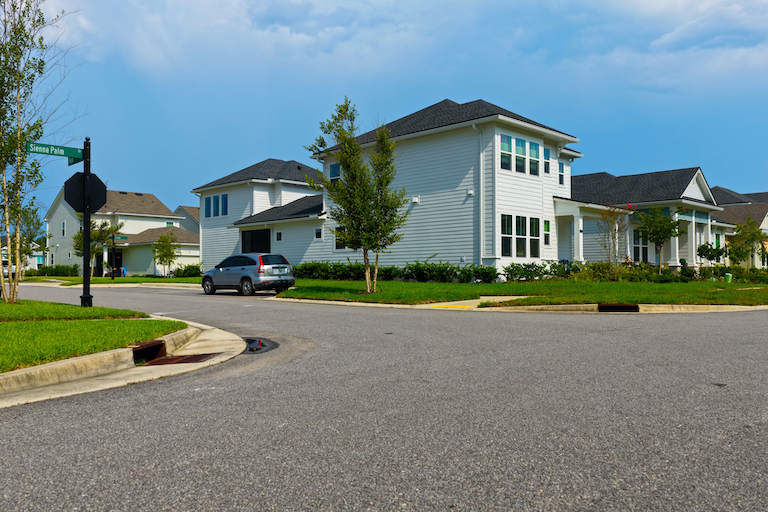
A residential street in Nocatee, one of Northeast Florida’s major master-planned communities where new construction continues to expand.
Location can narrow the choice between new construction and resale early in the search.
New construction in Northeast Florida is concentrated in growth corridors with room for larger developments. Resale homes are more common in established parts of Jacksonville and St. Augustine, where neighborhoods already have mature landscaping, existing infrastructure, and a more defined character.
Neighborhood features also shape the comparison. Newer communities may offer pools, trails, and planned amenities. Established neighborhoods may offer older architecture, mature trees, and closer access to historic districts or employment centers.
Buyers should also compare practical factors such as commute times, school zoning, road access, HOA or CDD costs, and nearby services. Those details can make similarly priced homes very different in terms of convenience and overall ownership costs.
WHERE CAN YOU FIND NEW CONSTRUCTION IN NORTHEAST FLORIDA?
New construction in Northeast Florida is generally concentrated in several growing parts of the region, particularly in St. Johns, Duval, Clay, and Nassau counties.
Examples include:
- Nocatee — a large master-planned community spanning northern St. Johns County and southern Duval County
- eTown — a newer Jacksonville community near State Road 9B and Interstate 295
- Wildlight — a growing master-planned community near Yulee in Nassau County
- St. Johns County growth corridors — where master-planned communities and newer subdivisions continue to expand
- Clay County growth areas — where new subdivisions are being added around established suburban communities
Depending on the neighborhood and construction phase, buyers may find to-be-built homes, properties already under construction, or completed quick move-in homes.
HOW MUCH DOES CUSTOMIZATION MATTER TO YOU?
New construction generally offers more opportunities to select finishes or features before moving in. Resale offers a finished property that can be evaluated immediately and renovated later if needed.
Customization in a new build
The amount of customization depends on the construction stage and the builder.
A to-be-built home may allow a buyer to choose:
- Floor plan
- Homesite
- Structural options
- Cabinetry
- Flooring
- Countertops
- Fixtures
- Paint or finish packages
An inventory home that is nearly complete may offer few or no choices.
There is also a financial tradeoff. Upgrades added through the builder increase the purchase price, and late changes may be limited or expensive.
Customization with a resale home
A resale buyer knows what the property looks like before signing the contract. Room dimensions, trees, views, surrounding homes, and much of the neighborhood are already established.
Changing the property usually happens after purchase.
That can give buyers more control over when renovations take place, but renovation costs, inconvenience, permitting, and contractor availability become part of the equation.
HOW DO BUILD QUALITY AND INSPECTIONS COMPARE?
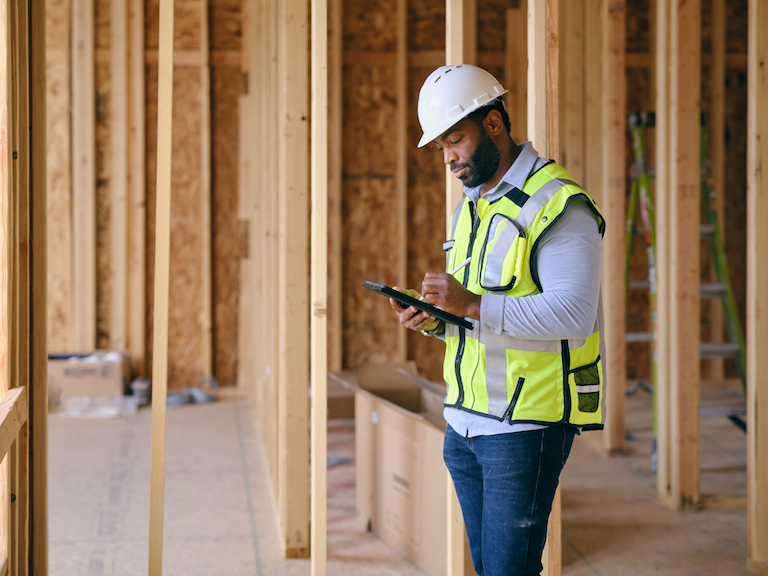
A private inspection during construction can help identify workmanship issues before walls and finishes are completed.
Both new construction and resale homes should be evaluated carefully. New homes are built to current codes, but that does not mean every detail will be perfect. Resale homes can reveal a different set of concerns, especially when major systems are older or past renovations are involved.
New construction inspections
Municipal inspections are part of the construction process, but buyers may still choose to hire a private inspector. Depending on the builder and stage of construction, inspections may take place before drywall, before closing, or during the final walkthrough.
Private inspections can help identify workmanship issues, incomplete items, or defects that may need to be corrected before or after closing.
Resale home inspections
Resale inspections focus on the condition of an existing property. Common concerns may include the roof, HVAC system, plumbing, electrical components, moisture intrusion, and previous repairs or renovations.
The age of the home alone does not determine its condition. A well-maintained older home may need less immediate work than a newer property with deferred maintenance.
Florida-specific concerns
In Northeast Florida, buyers should also consider humidity and moisture, termite history, flood-zone status, and roof age. These factors can affect maintenance needs and, in some cases, insurance costs.
Warranty coverage
New construction may include builder warranty coverage, while resale homes may come with limited or negotiated home warranty protection. Coverage varies, so buyers should review the terms rather than assume what is included.
HOW DOES THE BUYING PROCESS DIFFER?
Buying from a builder involves many of the same fundamentals as purchasing a resale home, but the contract, deposit structure, timeline, and negotiation process can be different.
Buying from a builder
Builders generally use their own purchase agreements rather than the standard resale contract a buyer may encounter elsewhere.
The process may involve:
- Selecting a community and builder
- Choosing a floor plan or completed home
- Selecting a lot, if applicable
- Reviewing structural and design options
- Paying required deposits
- Arranging financing
- Monitoring construction
- Completing inspections and walkthroughs
- Closing after the home is completed
Builder contracts can contain different provisions for deposits, construction delays, design changes, financing, inspections, and completion dates.
Buying a resale home
A resale transaction normally begins with an offer to the current owner.
The parties may negotiate:
- Purchase price
- Deposit
- Financing terms
- Inspection periods
- Repairs or credits
- Closing costs
- Closing date
- Personal property included in the sale
The property can also be evaluated immediately because it already exists.
Buyer representation for new construction
A builder’s sales representative works for the builder. Buyer representation gives buyers another perspective on the contract, community costs, builder incentives, and how the home compares with resale options nearby.
HOW DOES FINANCING DIFFER?
Financing can vary across Northeast Florida real estate, especially when comparing a completed resale home with a property that is still under construction.
Builder lenders vs. outside lenders
Builders may offer incentives through an affiliated or preferred lender. An outside lender may offer different rates, costs, or loan terms.
Comparing both requires looking beyond the headline incentive. The useful figures are the total cash required, interest rate, monthly payment, closing costs, and loan terms.
Construction-to-permanent financing
A buyer building a custom home may encounter construction financing rather than a standard purchase mortgage.
A construction-to-permanent loan can finance construction and then transition into longer-term mortgage financing. Requirements and availability vary by lender.
VA loans for new construction
Eligible service members and veterans may use VA home loan benefits to buy or build a home, subject to VA and lender requirements. The Department of Veterans Affairs also recognizes construction loans, although buyers need to locate a participating lender that offers the product.
VA requirements also apply to builders involved in qualifying transactions. VA maintains a builder registration process for properties sold with VA financing.
Deposit requirements
A resale contract usually requires an earnest-money deposit that remains tied to the transaction until closing or another outcome permitted by the contract.
New construction may involve larger or multiple deposits, particularly when a buyer selects a lot, adds structural options, or makes design selections. Those funds can also be committed for much longer when construction takes several months.
The deposit schedule and refund provisions should therefore be understood before the buyer commits to the build.
WHO MAY BE A BETTER FIT FOR NEW CONSTRUCTION VS. RESALE?

Buyers can compare new construction and resale homes based on budget, timing, location, maintenance needs, and long-term plans.
The better fit depends on which tradeoffs matter most.
| A BUYER MAY LEAN TOWARD NEW CONSTRUCTION WHEN… | A BUYER MAY LEAN TOWARD RESALE WHEN… |
|---|---|
| Lower immediate maintenance is important | An established location is the priority |
| Modern layouts and systems matter | Mature landscaping or larger lots matter |
| The buyer wants to choose finishes | The buyer wants to see the completed property before purchasing |
| A longer or flexible timeline is workable | The buyer has a firm move date |
| Builder incentives improve the financing | The existing property offers better overall value |
| Planned amenities are appealing | Established neighborhood character is important |
| A new-home warranty is valuable | Renovation potential is appealing |
These factors can point buyers in one direction, but individual properties vary. A completed spec home may offer a fast closing. A recently built resale property may have many of the systems and features associated with new construction.
That is why the decision works best at the property level rather than the category level.
HOW KELLAR REALTY CAN HELP BUYERS COMPARE BOTH OPTIONS
Choosing between new construction and resale means looking beyond the asking price.
At Kellar Realty & Property Management, we help buyers compare the full purchase. That includes property condition, financing, community costs, and timing, along with how each option fits their longer-term plans.
For new construction, we can help buyers compare builder inventory with resale homes in the same area and review the costs that may not be reflected in the base price. For resale homes, we look closely at maintenance needs, insurance considerations, and potential repair costs.
With more than 20 years of experience in Northeast Florida real estate, Kellar Realty helps buyers weigh those tradeoffs before making a decision.
FREQUENTLY ASKED QUESTIONS ABOUT NORTHEAST FLORIDA REAL ESTATE
Is new construction always more expensive than resale?
No. The final cost depends on the home price, upgrades, financing, community fees, insurance, and any repairs or renovations the property may need.
Are builder incentives worth it?
They can be, but buyers should look at the full financial effect. A rate buydown or closing-cost credit may help, but the loan terms, purchase price, and other conditions still matter.
Does a new construction home still need an inspection?
A private inspection can provide another layer of review beyond municipal inspections. Buyers should also check when the builder allows independent inspections during construction.
Are CDD fees common in Northeast Florida new-home communities?
Some planned communities use Community Development Districts, while others do not. Buyers should verify whether a property has CDD assessments and factor them into the overall cost.
Is homeowners insurance usually cheaper on a new home?
Not always. Newer roofs and updated construction may help, but premiums still depend on the specific property, location, insurer, coverage, and other risk factors.
Can VA loans be used for new construction?
Yes. Eligible service members and veterans may be able to use a VA loan to buy or build a new home, provided the lender, builder, and property meet VA requirements. Availability can vary by lender, especially for construction loans, so buyers should confirm financing options early in the process.
COMPARE THE FULL PICTURE BEFORE DECIDING
New construction may offer newer systems, customization, warranties, and builder incentives. Resale homes may offer established neighborhoods, mature lots, and more location choices.
The better fit depends on the individual property and the buyer’s priorities. Price matters, but so do timing, condition, ongoing costs, and location.
If you’re comparing homes for sale in Northeast Florida, call 904.269.7253 or send an email to discuss your home search with Kellar Realty & Property Management.