

Effective property management combines legal awareness, structured systems, and informed guidance at every stage of rental ownership.
Owning Northeast Florida real estate for use as a rental offers a combination of opportunity and responsibility. Whether you purchased a property from the growing selection of homes for sale in Northeast Florida or converted an existing residence into an income-generating asset, rental ownership is a cornerstone of long-term wealth building.
It’s easy to get excited over the perks that come with rental property ownership. However, one aspect of this opportunity tends to get overlooked: the legal obligations. Landlord-tenant laws in Florida are detailed, procedural, and strictly enforced. Subtle compliance mistakes − a missed deposit deadline, an incorrectly worded notice, or inconsistent tenant screening − may carry serious consequences that could impact income and asset value.
For landlords and investors dealing in Northeast Florida real estate, understanding how these regulations apply is essential. Professional property managers act as compliance partners, helping landlords maintain consistency, proper documentation, and up-to-date knowledge of both state and local rules.
Table of Contents:
- Florida Landlord-Tenant laws: An overview
- The role of property managers in enduring compliance
- Legal risk containment: How Northeast Florida property managers do it
- The value Kellar Realty & Property Management brings
- Frequently Asked Questions
- Protect your Northeast Florida rental investment with confidence
FAST FACTS: Landlord-tenant laws in Florida
- Governing statute: Florida Residential Landlord and Tenant Act (Chapter 83, Florida Statutes).
- Security deposits: Must be held properly, with written notice to tenants on how funds are secured, and returned within statutory timelines.
- Lease requirements: All lease agreements must include required disclosures and comply with state and federal regulations.
- Maintenance obligations: Landlords are responsible for keeping rental properties safe and habitable.
- Eviction procedures: Must follow strict statutory rules; errors in notice or filing can delay enforcement.
- Fair Housing compliance: Discrimination based on race, color, religion, national origin, sex, familial status, or disability is prohibited.
- Local variations: Court procedures, documentation standards, and enforcement practices can differ across Northeast Florida counties.
- Professional management: Experienced property managers help landlords navigate compliance, reduce disputes, and protect income and assets.
Florida Landlord-Tenant laws: An overview
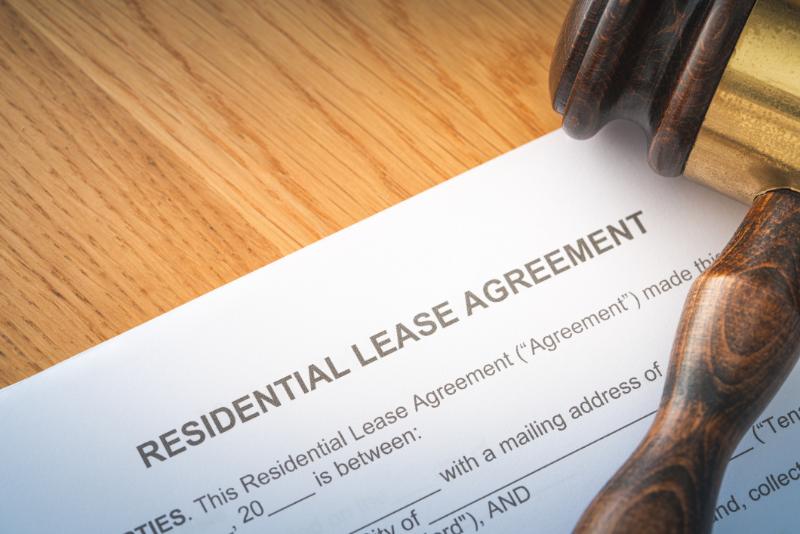
Florida landlord-tenant laws establish the legal framework that governs rental property operations statewide.
The legal framework governing rentals in Florida is primarily found in the Florida Residential Landlord and Tenant Act, Chapter 83 of the Florida Statutes (FDACS). This law establishes the rights and responsibilities of landlords and tenants, covering essential aspects of rental management:
- Lease agreements
- Security deposits
- Maintenance and habitability
- Notice requirements
- Entry rights
- Evictions and lease terminations
In addition, landlords must comply with federal regulations, including the Fair Housing Act, which protects tenants from discriminatory practices. Owners who purchase Northeast Florida houses for sale with the intent to rent must understand these laws from Day One. Proper compliance safeguards their investment and ensures smooth operations.
Local enforcement: Not a one-size-fits-all
While state statutes provide the framework, enforcement can vary locally. Court procedures in Jacksonville may differ from those in neighboring counties, and documentation standards tend to be strict. Local ordinances, procedural nuances, and judge interpretations may impact dispute resolution.
Some counties may require additional documentation for eviction filings, while others may strictly enforce notice periods. Property managers familiar with these local differences are a big help to landlords as they can offer proper guidance in navigating these nuances efficiently, avoiding delays and potential violations.
Being up-to-date matters
Florida landlord-tenant laws are not static. Notice requirements, deposit handling, and eviction procedures may be updated periodically. Staying informed ensures landlords avoid common mistakes that could lead to disputes or fines. Property managers maintain this awareness, keeping compliance proactive rather than reactive.
The role of property managers in enduring compliance

From leasing to inspections, professional property managers help maintain compliance and consistency at every stage.
There are those who believe that managing rental properties only involves collecting rent and handling repairs − but in reality, this line of work involves so much more. Property managers act as compliance partners, ensuring that every aspect of rental operations aligns with state and federal law.
Below are key responsibilities, with practical examples of how they protect landlords and tenants alike.
-
Leasing and documentation
- LEGAL OVERVIEW: Leases must meet statutory requirements and include mandatory disclosures. Clauses violating tenant protections or state standards can be challenged.
- A PROPERTY MANAGER’S ROLE: They draft legally compliant leases, verify disclosures, and update agreements as laws change.
- REAL-WORLD APPLICATION: A landlord purchases a home from the pool of Northeast Florida houses for sale and drafts a lease but misses an important detail: repair responsibilities. The property manager clarifies maintenance obligations in the lease, preventing future disputes over tenant and landlord duties.
-
Tenant screening and Fair Housing
- LEGAL OVERVIEW: Tenant screening must comply with the Fair Housing Act, prohibiting discrimination based on race, color, religion, national origin, sex, familial status, or disability. Criteria must be applied consistently.
- A PROPERTY MANAGER’S ROLE: They implement standardized screening, document approvals and denials, and ensure compliance with all federal and state requirements.
- REAL-WORLD APPLICATION: Two applicants with similar credit and rental histories apply for a rental property. A property manager applies consistent criteria, documenting the decision process to protect the landlord from potential discrimination claims.
-
Security deposits and financial compliance
- LEGAL OVERVIEW: Florida law requires security deposits to be properly held, with written notice provided to tenants. Deposits must be returned within statutory timelines, with itemized deductions if applicable.
- A PROPERTY MANAGER’S ROLE: They track deadlines, inspect properties, and handle deposits according to law, reducing disputes.
- REAL-WORLD APPLICATION: A tenant vacates a Northeast Florida rental late at night. A property manager documents property condition and provides an itemized deduction letter within the 30-day window, ensuring legal compliance and minimizing conflict.
-
Maintenance and habitability
- LEGAL OVERVIEW: Landlords must maintain rental properties in safe, habitable condition, covering structural components, plumbing, electrical systems, and safety measures.
- A PROPERTY MANAGER’S ROLE: They coordinate licensed vendors, respond promptly to repair requests, and maintain detailed records.
- REAL-WORLD APPLICATION: During hurricane season, a property manager arranges emergency roof repairs after a storm, documenting all work to ensure compliance with habitability requirements and protect the landlord from liability.
-
Rent collection, increases, and notices
- LEGAL OVERVIEW: Florida law specifies notice requirements for non-payment, lease terminations, and rent adjustments. Errors could delay enforcement.
- A PROPERTY MANAGER’S ROLE: They issue notices that comply with statutory timelines, track rent collection, manage lease-based increases, and document all communication.
- REAL-WORLD APPLICATION: A landlord wishes to increase rent at the end of a lease term. The property manager calculates proper notice dates, communicates the increase professionally, and documents the process to avoid disputes.
-
Evictions and lease terminations
- LEGAL OVERVIEW: Evictions must follow precise statutory procedures. Mistakes in notice wording, delivery, or filing can reset the process.
- A PROPERTY MANAGER’S ROLE: They prepare documentation, coordinate with legal counsel as needed, and ensure compliance with all steps.
- REAL-WORLD APPLICATION: A tenant fails to pay rent for multiple months. The property manager delivers the correct three-day notice and files the eviction properly, preventing delays that could otherwise jeopardize the landlord’s income.
-
Inspections, entry, and privacy
- LEGAL OVERVIEW: Landlords generally must provide reasonable notice before entering a rental unit, except in emergencies. Unauthorized entry may result in liability.
- A PROPERTY MANAGER’S ROLE: They provide proper notice, schedule inspections appropriately, respect tenant privacy, and maintain documentation.
-
Record-keeping and reporting
- LEGAL OVERVIEW: Accurate documentation is critical in landlord-tenant disputes. Courts often rely on records to determine compliance with laws.
- A PROPERTY MANAGER’S ROLE: They maintain organized files, track payments and notices, and provide clear reports. Proper documentation transforms rental ownership from reactive management to structured operations.
Because fair housing compliance extends beyond screening criteria, landlords should also understand how federal enforcement, exemptions, and day-to-day operational decisions factor into compliance risk.
FAIR HOUSING ACT: Practical Considerations for Landlords
The Fair Housing Act was enacted during the civil rights era to address systemic discrimination in housing markets across the United States. While most landlords are familiar with the protected categories under the law, compliance issues often arise in routine operational decisions rather than overt refusals to rent.
According to the Congressional Research Service (2023), violations may include inconsistent screening standards, discriminatory language in advertising, steering prospective tenants toward or away from certain properties, or failing to grant reasonable accommodations for individuals with disabilities.
The Act also contains limited exemptions. Certain owner-occupied properties with four or fewer units and some single-family homes rented without a broker may qualify for partial exemptions. However, even when exemptions apply, advertising rules and other anti-discrimination provisions may still govern rental activity.
Enforcement may occur through administrative complaints filed with the U.S. Department of Housing and Urban Development (HUD), through state or local fair housing agencies, or through private civil lawsuits. Remedies can include civil penalties, damages, attorney’s fees, and court-ordered corrective measures.
For Northeast Florida rental property owners, understanding these nuances reinforces why standardized screening, thorough documentation, and professional property management are essential components of risk reduction and long-term investment protection.
MINI-CASE STUDY: Avoiding a Compliance Pitfall
A landlord purchases multiple Northeast Florida houses for sale to build a rental portfolio. After self-managing for several months, they miss the statutory deadline for returning a security deposit and improperly issue a non-payment notice. With professional property management:
- Notices are delivered correctly and on time.
- Deposits are handled according to statute.
- Detailed records document every interaction.
Result: The landlord avoids fines, disputes are minimized, and tenant relationships remain positive. This demonstrates the practical value of compliance-focused management.
Legal risk containment: How Northeast Florida property managers do it

Structured oversight and detailed documentation help reduce legal and financial risk in rental property management.
Legal compliance in rental housing is not a one-time checklist − it is an ongoing operational discipline. Property managers reduce exposure to legal and financial risk by implementing structured systems that protect owners at every stage of the rental cycle.
Consistent enforcement
Consistency is one of the strongest defenses against legal claims. When screening standards, late fee policies, maintenance procedures, and lease enforcement are applied uniformly, landlords reduce the risk of discrimination allegations and procedural errors. Standardized processes create documentation trails that demonstrate fairness and compliance if disputes arise.
Professional buffer
Rental relationships tend to become emotionally charged, particularly during late payments, maintenance disputes, or lease terminations. Property managers act as a professional intermediary, ensuring decisions are based on policy and law, not frustration or personal dynamics. This separation protects landlords from making reactive choices that could violate statutory requirements.
Ongoing legal awareness
Florida landlord-tenant regulations, notice requirements, and court procedures can change. Additionally, enforcement practices may vary across Northeast Florida counties. Property managers monitor statutory updates and local court expectations, adjusting documentation and procedures proactively rather than reacting after a violation occurs.
Reduced disputes through documentation
Clear leases, written notices delivered within statutory timelines, documented inspections, and detailed maintenance records significantly reduce misunderstandings. When tenants understand expectations and communication is documented, many conflicts are resolved before escalating into formal complaints or litigation.
Investment protection
Beyond legal compliance, structured management safeguards rental income and long-term asset value. Preventative maintenance, careful tenant placement, and consistent policy enforcement support stable occupancy and portfolio growth in Northeast Florida real estate. In this way, compliance becomes a strategic component of investment preservation.
The value Kellar Realty & Property Management brings
For owners navigating Northeast Florida houses for sale and rental opportunities, choosing the right property management partner determines whether an investment performs as expected or becomes an ongoing source of stress. With more than two decades of experience in buying, selling, and managing real estate, Kellar Realty & Property Management delivers a boutique, full-service approach designed to protect both income and long-term asset value.
- Legal compliance expertise: Florida landlord-tenant regulations require precision. Kellar stays current on statutory updates, local enforcement practices, and federal housing standards to ensure leases, notices, and procedures align with both state and federal law. This proactive compliance reduces exposure to disputes, delays, and avoidable penalties.
- Operational consistency with a personal approach: As a growing boutique firm, Kellar combines standardized systems with relationship-driven service. Screening criteria, lease enforcement, and maintenance coordination follow structured processes, yet owners and tenants receive responsive, individualized communication. This balance reduces risk while fostering long-term tenant stability.
- Investor-focused strategy: Many clients purchase Northeast Florida real estate, specifically, to generate rental income. Kellar’s experience working with investors − including those rehabbing and renting single-family homes and multi-unit properties − allows the team to evaluate tenant placement, rental pricing, and property performance through an ROI-focused lens. High occupancy rates and disciplined management practices support consistent cash flow.
- Financial oversight and transparency: From proper security deposit handling to detailed reporting, financial oversight is central to effective property management. Clear accounting and transparent documentation allow owners to track performance confidently and make informed portfolio decisions.
- Professional negotiation and market insight: With designations such as Military Specialist and Certified Negotiation Expert, Kellar brings additional expertise to both tenant relations and investment transactions. Local market knowledge across Northeast Florida supports accurate pricing, competitive positioning, and strategic acquisition guidance.
In Northeast Florida’s competitive regional market, compliance alone is not enough. Effective property management requires structure, legal awareness, operational discipline, and strong communication. Kellar Realty & Property Management integrates these elements to help owners protect income, minimize risk, and grow their portfolios with confidence.
Frequently Asked Questions
What governs Florida landlord-tenant relationships?
Florida Residential Landlord and Tenant Act (Chapter 83) and federal laws like the Fair Housing Act.
Do I need a property manager if I own only one rental property?
Even a single property must comply with laws. Property managers reduce risk and ensure consistent enforcement.
Are rent increases regulated in Florida?
Florida does not have statewide rent control; local measures may apply.
How quickly must security deposits be returned?
Laws specify timelines, including written notice for deductions. Property managers ensure compliance.
How do local enforcement differences affect landlords?
Procedures and documentation vary by county. Experienced property managers navigate these nuances efficiently.
What common compliance mistakes do property managers prevent?
Errors in notices, tenant screening, deposit handling, and maintenance.
How can property management improve tenant retention?
Prompt repairs, clear communication, and consistent lease enforcement foster long-term occupancy.
Protect your Northeast Florida rental investment with confidence
Owning rental property in Northeast Florida real estate demands not just the ability to identify the right property but also legal awareness, structured processes, and consistent enforcement of Florida landlord-tenant regulations.
Property managers provide the expertise and operational support needed to reduce risk, protect income, and preserve property value. For owners seeking compliance-focused management, Kellar Realty & Property Management delivers professional solutions designed for long-term rental success.
Whether entering the market through listings of homes for sale in Northeast Florida or expanding an existing portfolio, professional property management ensures efficiency, compliance, and lasting investment security.
To learn how our team can help protect and optimize your investment, call
904.269.7253 or email us today.