

Table of Content
- How Can Homeowners Better Understand Storm Season in Central and Northeast Florida?
- How Do Property Managers Prepare for Storm Season?
- How Do Property Managers Update Their Tenants Before, During, and After a Storm?
- How Do Property Managers Help in Insurance Claims?
- How Do Property Managers Prepare for Future Storms?
- How Do Professional Property Managers Safeguard Investments Year-Round?
- FAQs
- Storm Season Doesn’t Have to Catch You Off Guard
For landlords, storms create problems on many fronts, from infrastructure damage to tenant safety, vendor and insurance delays, to possible lost rent. That’s why property managers in Florida end up being the front line when it comes to mitigating risks before a storm, managing issues as the storm occurs, and helping in being able to recover faster afterward.
Before we dive into the process, here/s something you need to know:
HOW CAN HOMEOWNERS BETTER UNDERSTAND STORM SEASON IN CENTRAL AND NORTHEAST FLORIDA?
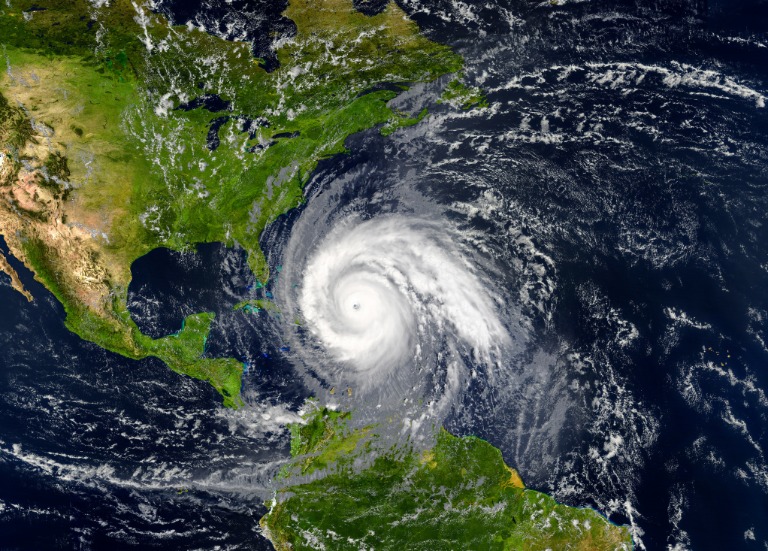
Storm season timeline: June 1 to November 30
Florida’s storm season runs from June 1 through November 30, with the busiest stretch usually in August through October. That’s when property owners need to be most alert, because even weaker systems like tropical depressions or slow-moving storms can cause serious damage if they linger.
Storm season also overlaps with Florida’s rainy season, so you can see heavy thunderstorms, flooding, and fast-changing conditions even when there isn’t a named storm on the map.
Regional risks: Same season, different threats
Central and Northeast Florida face storm season differently.
CENTRAL FLORIDA (Orlando, Ocala, Lakeland) is mostly hit by heavy rain, which can overwhelm drainage systems, cause inland flooding, and trigger tornado spin-offs and intense lightning storms. Even without a hurricane, days of rain can flood low areas and expose weak spots in roofs, windows, and drainage.
NORTHEAST FLORIDA (Jacksonville, St. Augustine, Clay and St. Johns Counties) deals more with wind and coastal impacts. Storm surge can affect low-lying areas, winds can damage roofs, fences, and trees, and flat terrain can make water slow to drain. Even if a storm doesn’t land nearby, wind and rain can still cause major disruptions.
HOW DO PROPERTY MANAGERS PREPARE FOR STORM SEASON?
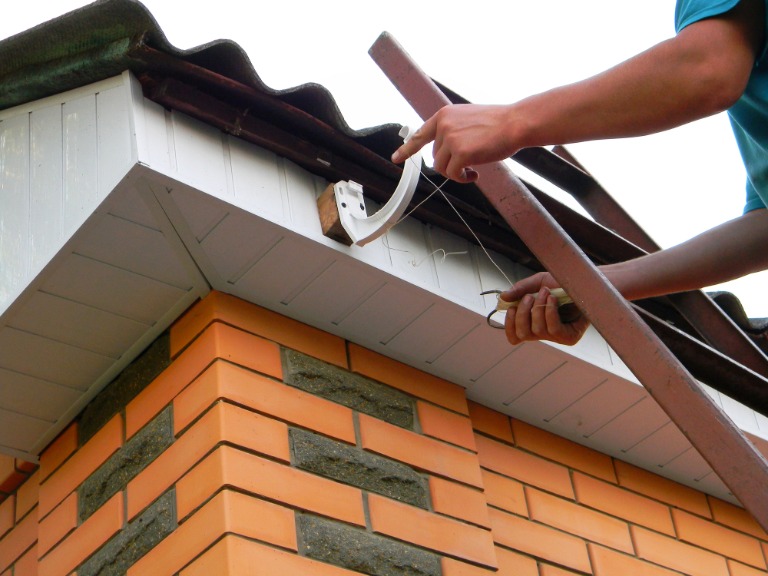
Storms stress-test every part of a property in ways normal weather never does. A roof that’s been “fine” all year may still have a loose shingle or a small weak seam you’d never notice under normal conditions. Add sustained winds, driving rain, and pressure changes, and that minor weakness can quickly become a point of water intrusion.
A good property management team doesn’t “prepare for hurricanes” in September. They start in April or May while vendors still have availability and small repairs can be handled calmly instead of in crisis mode.
Here’s what that pre-season protection looks like when it’s done right.
-
Property managers order comprehensive inspections
When it comes to property management in Florida, pre-season inspections are the backbone of protecting one’s assets. A good team walks the property with a storm-season mindset and checks the big risk zones, which are:
- Roofs for missing shingles, soft spots, signs of prior leaks
- Gutters and drainage paths for overflow points, water pooling zones
- Windows and doors for seals, cracks, poor caulking, misalignment
- Fencing and gates for loose panels, weakened posts, latch failures
- Landscaping and exterior structures for leaning trees, dead limbs, unstable sheds
-
Property managers practice preventive maintenance
Once the inspection reveals the weak spots, preventive maintenance helps reduce storm damage before it starts and keeps the home better protected when conditions get rough. Preventive maintenance includes clearing gutters and drains, trimming trees and shrubs, and securing loose outdoor items like signage, patio furniture, and small structures.
-
Property managers build relationships with multiple vendors
One thing that many property owners don’t realize is that after a major storm, you’re competing for contractors with other property owners, entire neighborhoods, and sometimes entire cities. Roofers, electricians, and restoration crews get booked fast and the waitlist often grows by the hour.
Good property managers build vendor relationships early and keep reliable contacts ready for roofing, electrical work, plumbing, tree removal, debris cleanup, and water mitigation. Many also keep multiple vendors on standby because after a storm, demand spikes and fast response matters.
-
Property managers support insurance readiness and documentation
During storm season, insurance determines how quickly you can recover and how much you might need to pay out of pocket. Before storm season ramps up, property managers help owners review coverage details like deductibles, exclusions, limits, and any add-ons that may be required. They also clarify what’s covered (and what isn’t) so that there’s no confusion when damage occurs.
Just as important, they document the property’s condition with photos or video before storms hit, which makes it easier to support claims and speed up the process.
-
Property managers prepare tenants for storm season
Storm preparation is also about keeping tenants informed. When people don’t know what to do, small problems can spiral quickly, especially during power outages, heavy rain, or evacuation warnings.
Property managers usually send a storm-prep message each year that explains what they’ll handle, what tenants need to do (especially securing items on patios and balconies), how updates will be shared, where to find evacuation and emergency info, and what problems to report right away.
HOW DO PROPERTY MANAGERS UPDATE THEIR TENANTS BEFORE, DURING, AND AFTER A STORM?

Storm season tests more than the property itself. Tenants get nervous, rumors spread fast, and when the power goes out, even small issues can feel urgent. Which is exactly where communication matters most.
Before a storm
Before a storm hits, property managers make sure tenants know what to do. A good manager sends a quick text or email covering the basics, which is to bring in the patio furniture, move the car away from trees or low ground, know what to do if the power goes out, and instructions on how to reach them if something goes wrong. Property managers will also share evacuation zones, shelter locations, and other local resources.
During a storm
During an active storm, a property manager keeps things organized by acting as the main point of contact and sending updates. This prevents communication from getting out of hand when tenants start calling, texting, posting, and asking the same questions in multiple places. Even when there’s no immediate solution, tenants stay calmer when they know someone is monitoring the situation and will follow up.
After a storm
Once the storm passes, property managers help get things back on track by sending updates. The biggest questions tenants have after a storm are usually about timing. Updates on inspection schedules, what repairs are already in motion, realistic timelines (especially when vendors are stretched thin), and what the next steps go a long way in addressing tenant concerns.
HOW DO PROPERTY MANAGERS HELP IN INSURANCE CLAIMS?

What makes storm damage worse is realizing after the fact that your coverage is unclear, your documentation isn’t ready, or your claim is already behind. A good property manager keeps the insurance side organized so recovery doesn’t drag out longer than it has to.
Property managers help confirm your coverage ahead of time
Well before storm season ramps up, property managers help owners review their insurance coverage and make sure it matches Florida’s risks, such as wind damage and flood exposure.
This matters because standard policies don’t always cover what landlords assume they do. Flood damage, in particular, is often excluded unless there’s a separate policy.
Property managers document everything during and after storms
Once a storm passes, time is of the essence. Property managers document the property while details are fresh and before cleanup makes it harder to tell what happened. That typically includes photos and video of exterior and interior damage, inspection reports noting visible issues and safety concerns, and records of when damage was discovered and reported.
Good documentation helps claims go smoother and faster. It also protects owners if questions come up later about the extent of the damage or when it occurred.
Property managers streamline insurance claims for owners
Insurance claims don’t move faster just because the damage is serious. They move faster when communication is clear. Property managers often coordinate with owners, adjusters, and contractors so that the process stays organized.
That includes meeting adjusters on-site, providing documentation, and keeping owners updated as the claim moves forward. Instead of the owners chasing updates or trying to manage everything from a distance, the property manager handles the details and flags the decisions that need owner approval.
HOW DO PROPERTY MANAGERS PREPARE FOR FUTURE STORMS?

Storm season teaches the same lesson every year. Properties that bounce back quickly are the ones that were ready for it in the first place.
-
Applying upgrades that reduce future risk
The most common storm-resilient upgrades include:
- Impact-rated windows and doors to limit wind damage and water intrusion
- Reinforced roofing systems with stronger materials and better sealing
- Sump pumps or drainage improvements for areas that tend to pool or flood
- Elevated landscaping or regrading that pushes water away from the foundation instead of toward it
-
Focusing on regional differences
Prepping for a storm in Florida isn’t a one-size-fits-all. A rental in Orlando, for instance, faces a different set of risks than a rental near Jacksonville or St. Augustine. Instead of “hurricane-proofing” every property the same way, the goal is to strengthen the areas most likely to take a hit based on local weather patterns, terrain, and exposure.
-
CENTRAL FLORIDA: Focus on drainage and backup power
In Central Florida, storm damage is often driven by rain and not surge. Heavy downpours, saturated ground, and inland flooding can overwhelm drainage systems quickly, especially when a storm stalls or moves slowly.
Most Central Florida upgrades are all about water control and backup systems. This includes improving the downspouts, keeping doors and windows properly sealed to prevent water entry, and having backup power solutions like generators.
-
NORTHEAST FLORIDA: Focus on wind resistance and coastal durability
Northeast Florida tends to see a stronger mix of wind exposure and coastal wear. Especially in areas closer to the Intracoastal or the Atlantic, wind is often the main driver of damage, with the roofing, siding, fencing, and exterior fixtures taking the first hit. For that reason, upgrades in Northeast Florida often prioritize strength and long-term durability, including wind-resistant shutters and reinforced roofs.
-
CENTRAL FLORIDA: Focus on drainage and backup power
HOW DO PROFESSIONAL PROPERTY MANAGERS SAFEGUARD INVESTMENTS YEAR-ROUND?

Here’s what a property manager does behind the scenes:
Prioritizes preventive maintenance
Good property management in Florida is all about routine inspections, regular maintenance, and catching small issues before they turn into big damage. That includes walkthroughs, seasonal upkeep, exterior checks, and proactive repairs, especially for roofs, gutters, windows, drainage, and landscaping. This kind of consistency matters because storms expose what’s already weak.
Leverages local insight and knowing the right people to call
A property manager’s local knowledge helps owners make smarter decisions like choosing materials that hold up near the coast, knowing which neighborhoods struggle with drainage, and understanding code requirements for repairs.
Provides 24/7 response when storms hit
When a major storm hits, speed matters. Professional property managers keep the crews ready and the systems in place so that once it’s safe to move, they’re already moving. That means responding quickly to urgent issues while keeping tenants informed. The faster the problems are contained, the less likely they are to become bigger, more expensive damage.
Handles the paperwork and coordinate repairs
Not all storm damage is physical. A lot of landlord stress comes from the paperwork and coordination that piles up during storm season, mainly from claims, tenant messages, repair scheduling, and vendor follow-ups. A good property manager keeps this side of the process organized, from documenting inspections and repairs to keeping owners informed without overwhelming them.
Provides updates for out-of-area owners
Year-round property management in Florida makes a huge difference for out-of-area owners. Remote updates and digital reports keep the owner informed without forcing them to manage the property like a second job.
FAQSWhen is Florida’s storm season?
✅ Florida’s official storm (hurricane) season runs from June 1 through November 30, with the highest activity typically falling between August and October. But since Florida’s rainy season overlaps heavily with hurricane season, you can see intense thunderstorms, flash flooding, and power-related disruptions even when there’s no named storm nearby. And slow-moving tropical systems can be just as disruptive as hurricanes because they dump rain for hours or days and overwhelm drainage systems.
What’s the most important step when preparing for hurricane season?
✅ Regular property inspections and proactive maintenance is crucial before storms appear on the radar. Inspections help catch small vulnerabilities that storms love to exploit, like minor roof issues, clogged gutters, trees that are one strong gust away from toppling. Proactive maintenance, on the other hand, allows those issues to be fixed early while vendors are available and conditions are calm.
Do property managers help with insurance claims?✅ Yes, and the best property managers handle claims in a way that saves owners time, stress, and often money. They help property owners navigate the insurance process by documenting conditions quickly with photos and video, keeping communication clear between vendors, owners, and insurers, and organizing records so nothing falls through the cracks.
Can property managers reduce long-term storm costs?✅ Absolutely. And this is one of the biggest reasons why property management in Florida pays for itself during storm season. Storm costs don’t come only from major damage. They also come from small issues that weren’t fixed early and repeated damage when the same weak points aren’t upgraded. Good managers reduce long-term storm costs in two main ways: prevention and speed. They help prevent damage through inspections, maintenance, and storm prep, and they limit the impact by responding quickly and coordinating repairs fast. |
STORM SEASON DOESN’T HAVE TO CATCH YOU OFF GUARD
At Kellar Realty & Property Management, our extensive experience managing Florida properties allows us to expertly handle every stage of storm season, from pre-storm preparation to post-storm recovery.
Give us a call at 904.269.7253 or email us to learn more about our property management services in Florida.